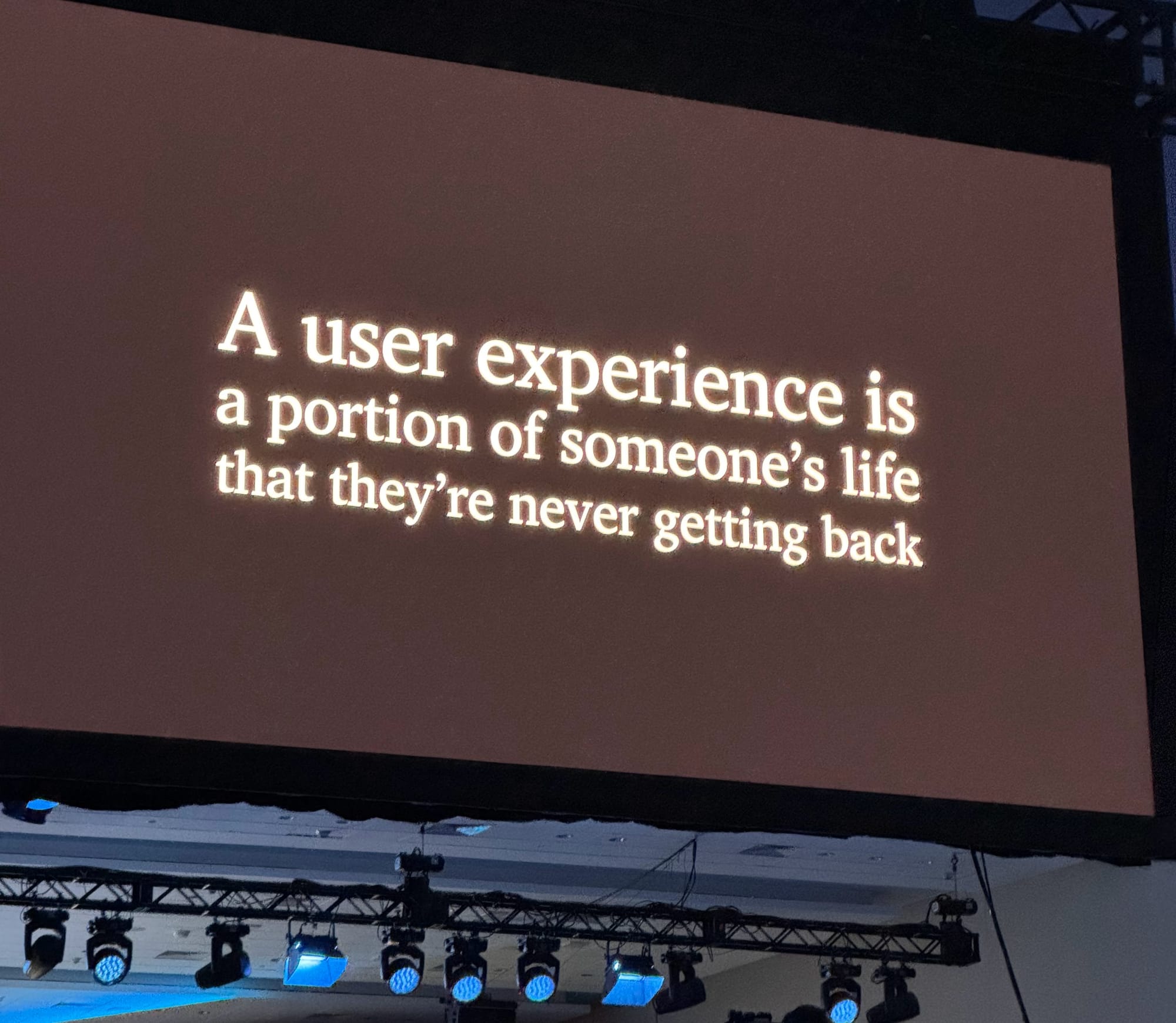
Config '26
Figma’s ultimate trajectory is undeniable: one canvas to rule them all. We are moving toward a single, unified space where discovery, design, logic, and production code completely live together. It is consolidating the entire product lifecycle into one screen.
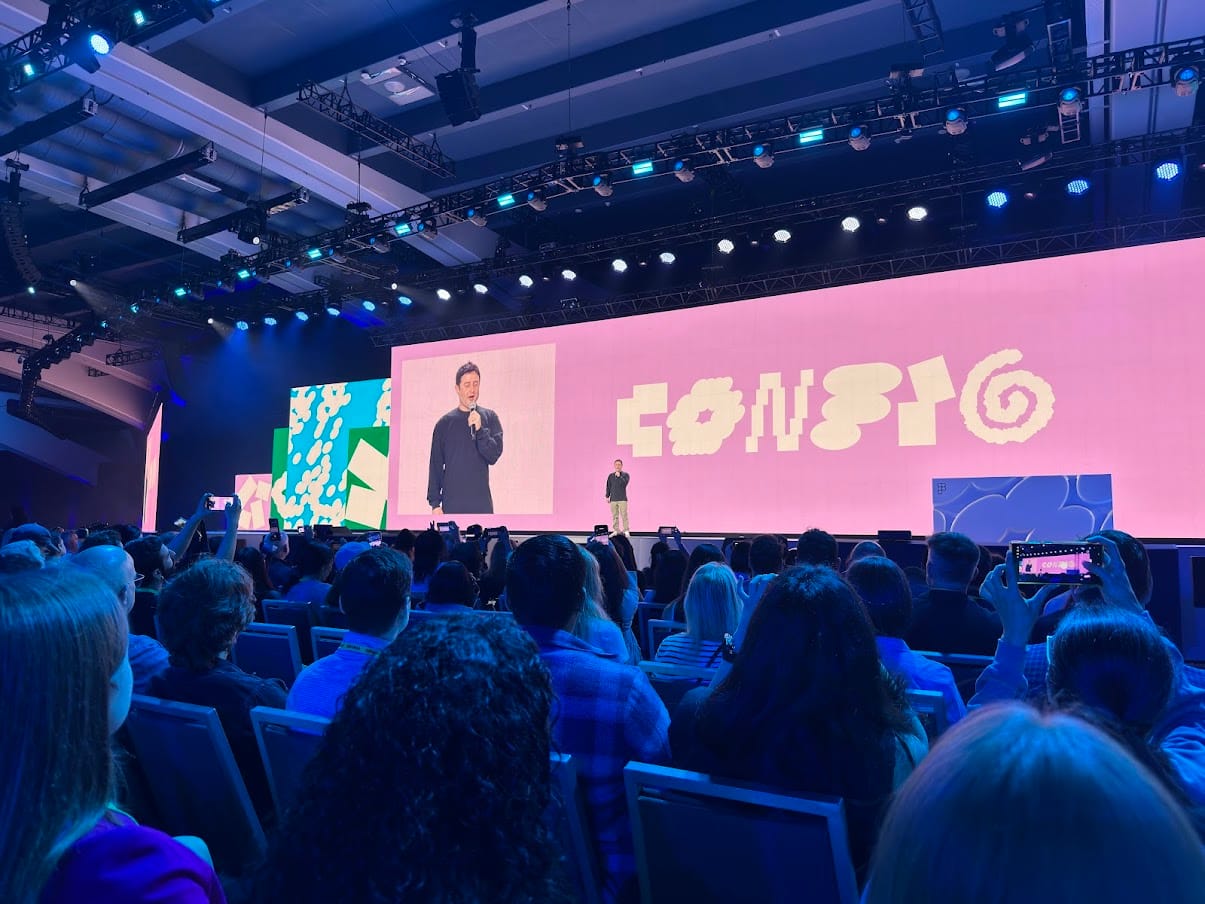
Live on the Canvas
Config hammered home exactly how this is happening: the canvas is no longer just a static blueprint. Seeing nodes, live shaders, and fluid motion working in real time makes it clear that digital canvases are fully alive. As product designers, we are no longer just arranging vectors; we are shaping dynamic environments. It honestly makes you step back and wonder how pixels can pack such a punch.
What Was Missing: The Enterprise Reality Check
For all the flashy updates, the main keynotes left a bit of a gap for those of us grinding away on massive, complex platforms. There was a noticeable lack of focus on intense enterprise and agency workflows, dense data problems, and actual practical solutions for heavy UI. Flashy motion is great, but how does this scale when you are designing dashboards with hundreds of data points? Even the workshop tracks felt like they could have gone much deeper into the weeds of enterprise complexity.
It really makes me wonder if we need to organize a follow up meetup specifically focused on the enterprise and big data approach in Figma. There is a huge appetite for sharing real world strategies on how to handle massive scale without the canvas grinding to a halt.
The Shifting Role of the Designer
Because of this shift, the definition of what we do is completely transforming. Are we becoming the designers of all things? It feels like it, especially now that pushing design to production is becoming a totally frictionless process. The gap between the mockup and the shipped product is actively evaporating.
Rethinking Code and Process
When it comes to code, speed isn't the ultimate solution. It is just a tool. Complex user experiences and good ideas still require time to bake. Too much divergence can pull an enterprise project apart, so the goal always has to be cohesion. Features like CodeLayers and bringing Git into Figma show exactly where product design is heading: deterministic, reliable, production ready workflows. No AI guesswork required.
AI is a Tool, Not the Creator
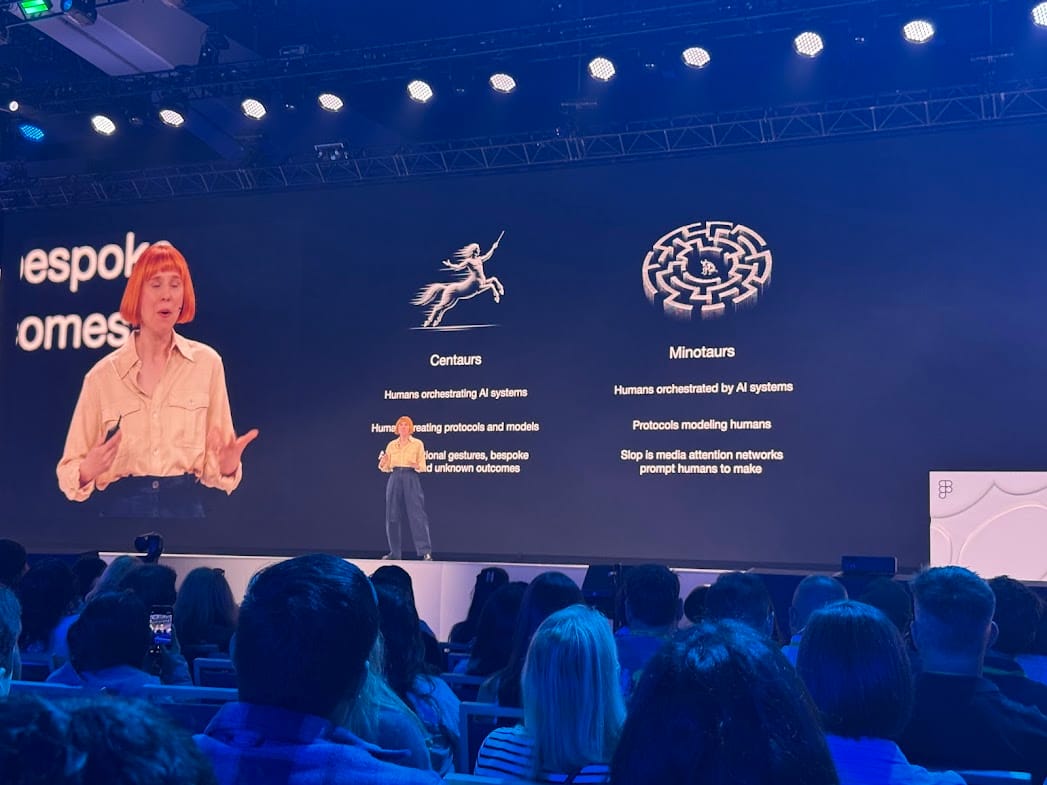
Let's be real about AI: it is the best average. That is literally all it can ever be. By definition, AI cannot take risks. It plays it safe, relying on patterns that already exist. I use AI as my tool, but I am definitely not the tool of the machine. I control the risk. It can work for me, but it will never think for me.
Product strategy and human judgment remain the ultimate differentiators. AI can generate variants, summarize feedback, and accelerate the boring stuff, but deciding what to build and why we are building it is a uniquely human responsibility.
Design Systems as Knowledge Systems
Design systems are finally growing up. They are evolving into full blown knowledge systems because standard UI components alone just do not cut it anymore. High level intent, robust documentation, precise naming, and systemic context are now first class design assets.
We need to start treating documentation as actual infrastructure. Specifications, clear annotations, and shared context are becoming absolutely essential, not just for cross functional human teams, but for the AI agents supporting our workflows. The convergence of design and development is accelerating. Whether it is GitHub integrations, Code Connect, repository visualization, or executable design, everything points to a future where our design artifacts participate directly in production code.
The Next Frontier
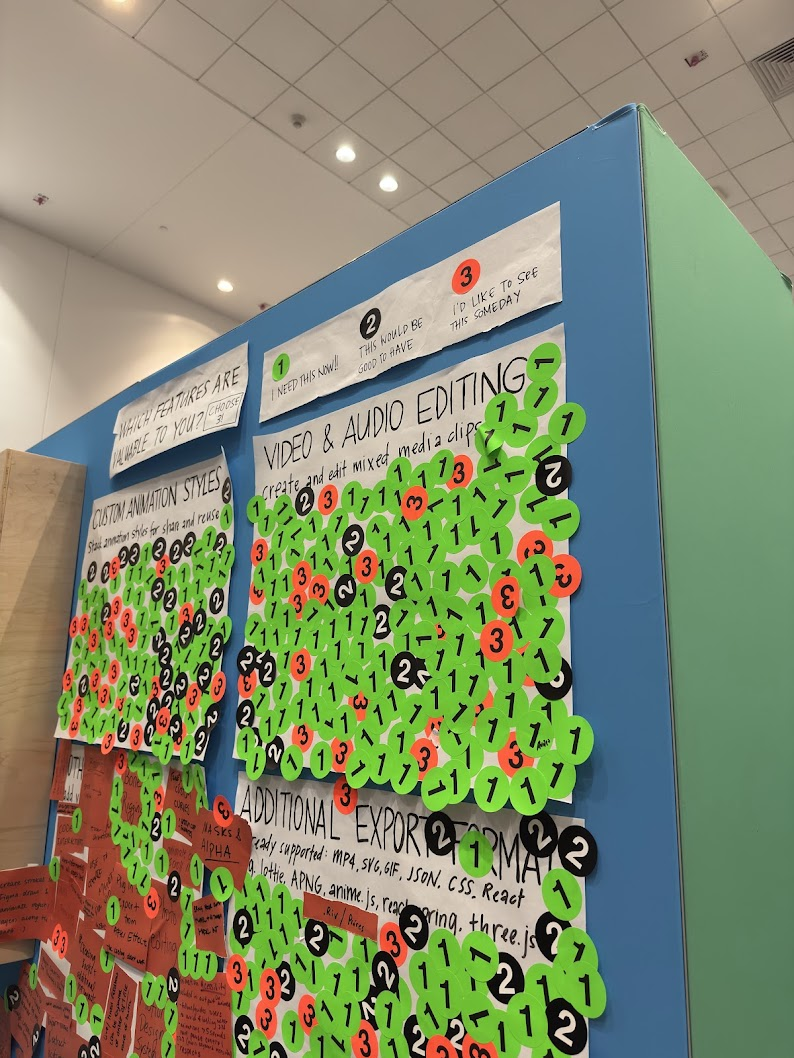
Looking across the product landscape, Figma has conquered almost every phase of the lifecycle. The only major territories left untouched for a complete layout and media ecosystem are serious video editing and a true InDesign killer.


